
Marrakech is one of Morocco's busiest and most visited cities, and a common first stop. Its old walled medina is a UNESCO World Heritage site. This guide covers what to see, how long to stay and how to enjoy the medina without feeling overwhelmed.
How long to stay
Two full days are enough for the main sights. Add a third day for a day trip or a slower pace. Arrive early if you can, because the medina is easier to learn in daylight.
What to see in Marrakech
Jemaa el-Fna
The city's main square is listed by UNESCO for its living culture of storytellers, musicians and performers. It changes through the day and is liveliest in the evening, when food stalls set up. See our street food guide before you go.
Koutoubia Mosque
The minaret, 77 m high, is the city's best-known landmark. The mosque was founded in 1147 and rebuilt soon after. It is an active mosque and non-Muslims cannot go inside, but you can see it from the gardens and streets around it.
Bahia Palace
Begun in the 1860s and expanded between 1894 and 1900 for two grand viziers, the palace is known for its courtyards, painted ceilings and carved plaster.
Saadian Tombs
These richly decorated tombs date from the 16th century. They were restored and opened to the public after 1917. The space is small, so going early can help you avoid a queue.
Ben Youssef Madrasa
This former Islamic school was completed in 1564–1565 and is one of the city's finest buildings, with carved wood, plaster and tiles. It reopened in April 2022 after restoration.
Majorelle Garden
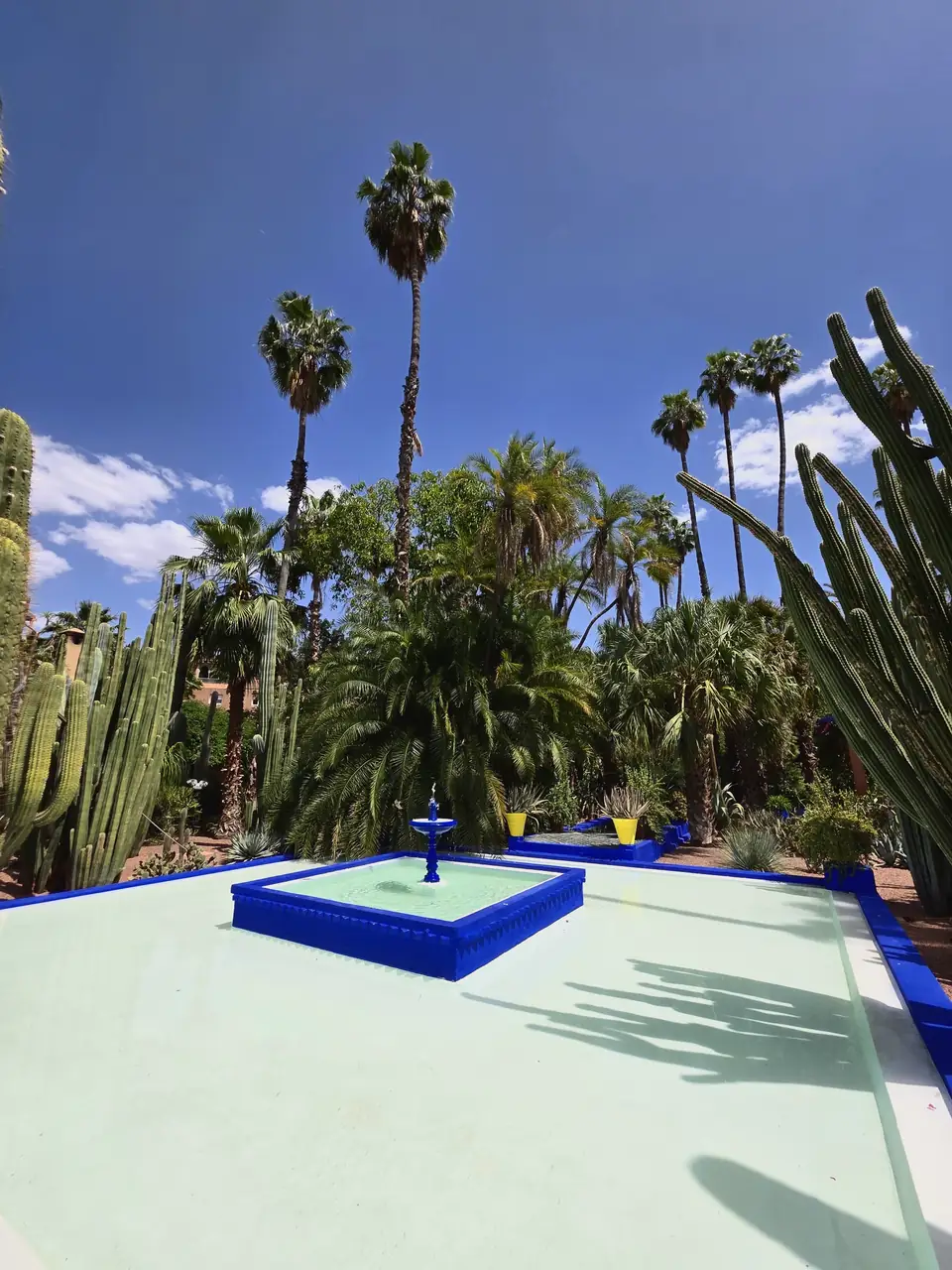
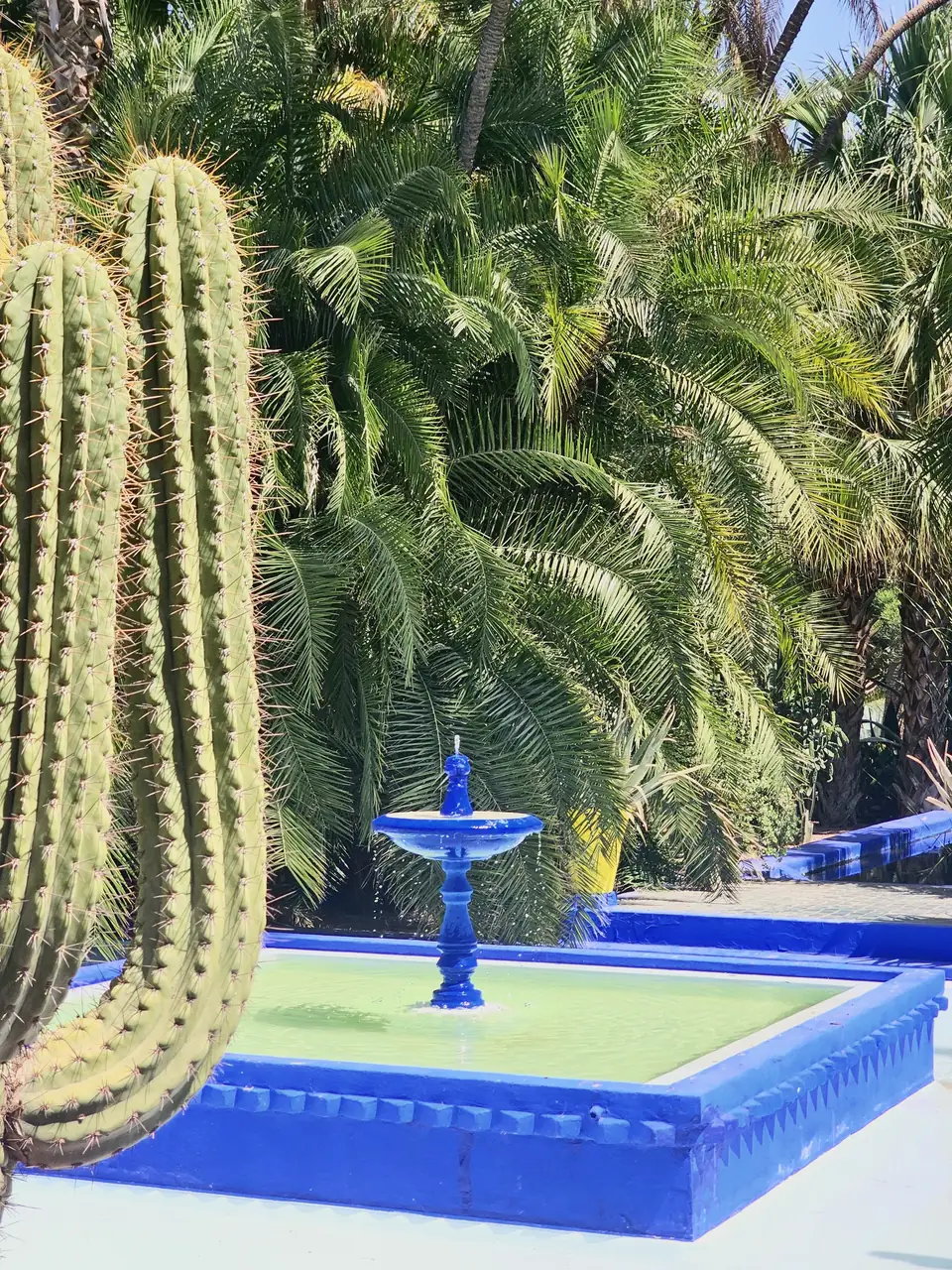
The painter Jacques Majorelle began this garden in 1923, and Yves Saint Laurent and Pierre Bergé later saved it. It is known for its cacti and its vivid blue villa. It receives a very large number of visitors, so check the official website for tickets and opening times.
Finding your way around the medina
- Save your accommodation on an offline map, and note a nearby landmark.
- If you want a guide, use an official one. UK government advice says to check for an official badge and permission from the local authority.
- Be careful with unofficial offers of directions, which can end in a request for payment.
- Stay on main routes at night, and keep your phone and bag secure.
- Ask before photographing people, especially children.
- Watch for scooters in the lanes.
For more detail, read our guide on safety in Morocco.
When to go
Spring and autumn are usually the most comfortable. Summer can be very hot, so plan sightseeing for the morning and evening. Compare the seasons in our guide to the best time to visit Morocco.
Trips from Marrakech
- High Atlas: the mountains are close enough for a day trip.
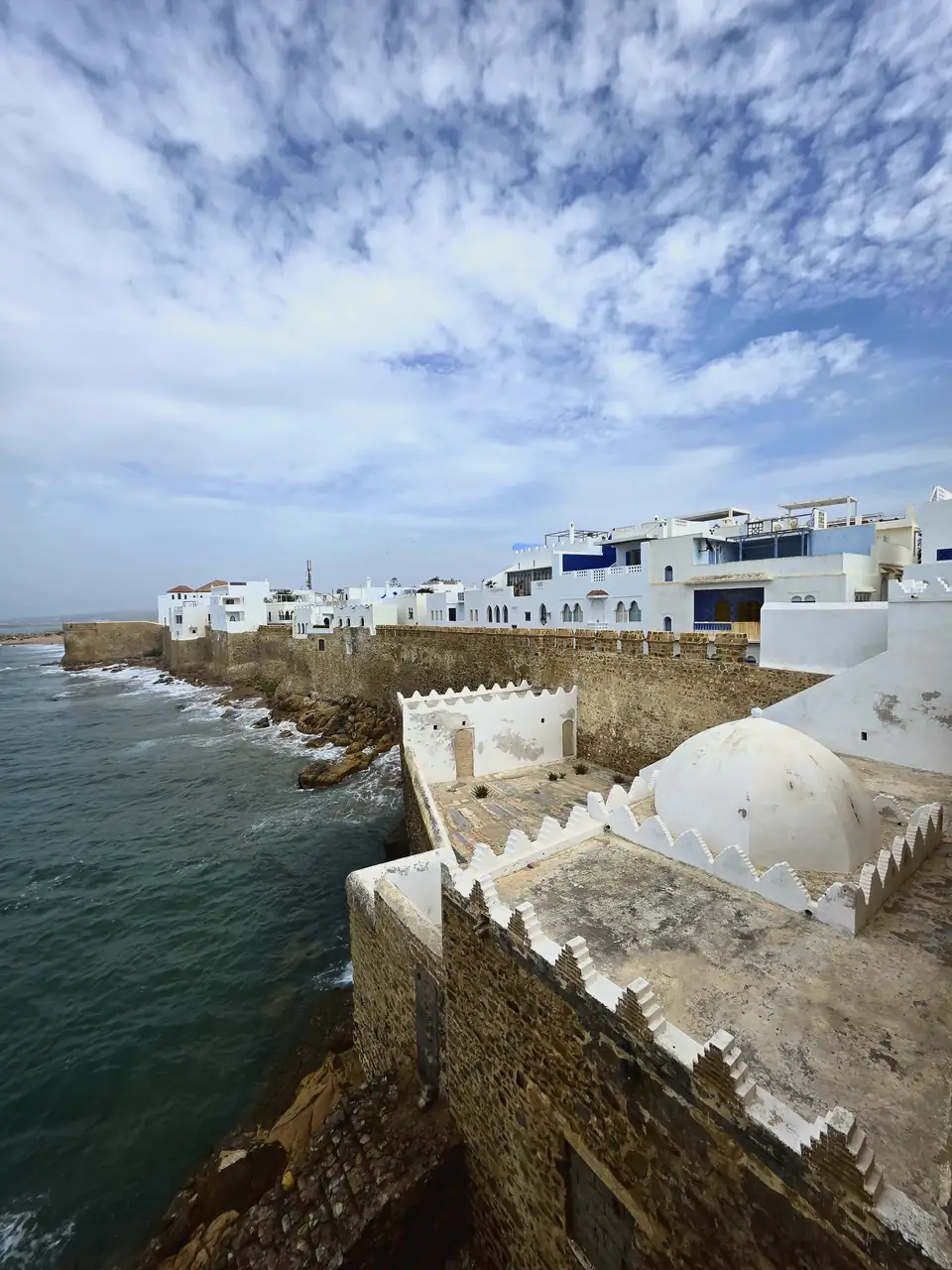
- Essaouira: this Atlantic town is about 175 km away, or around 2 hours 30 minutes by road.
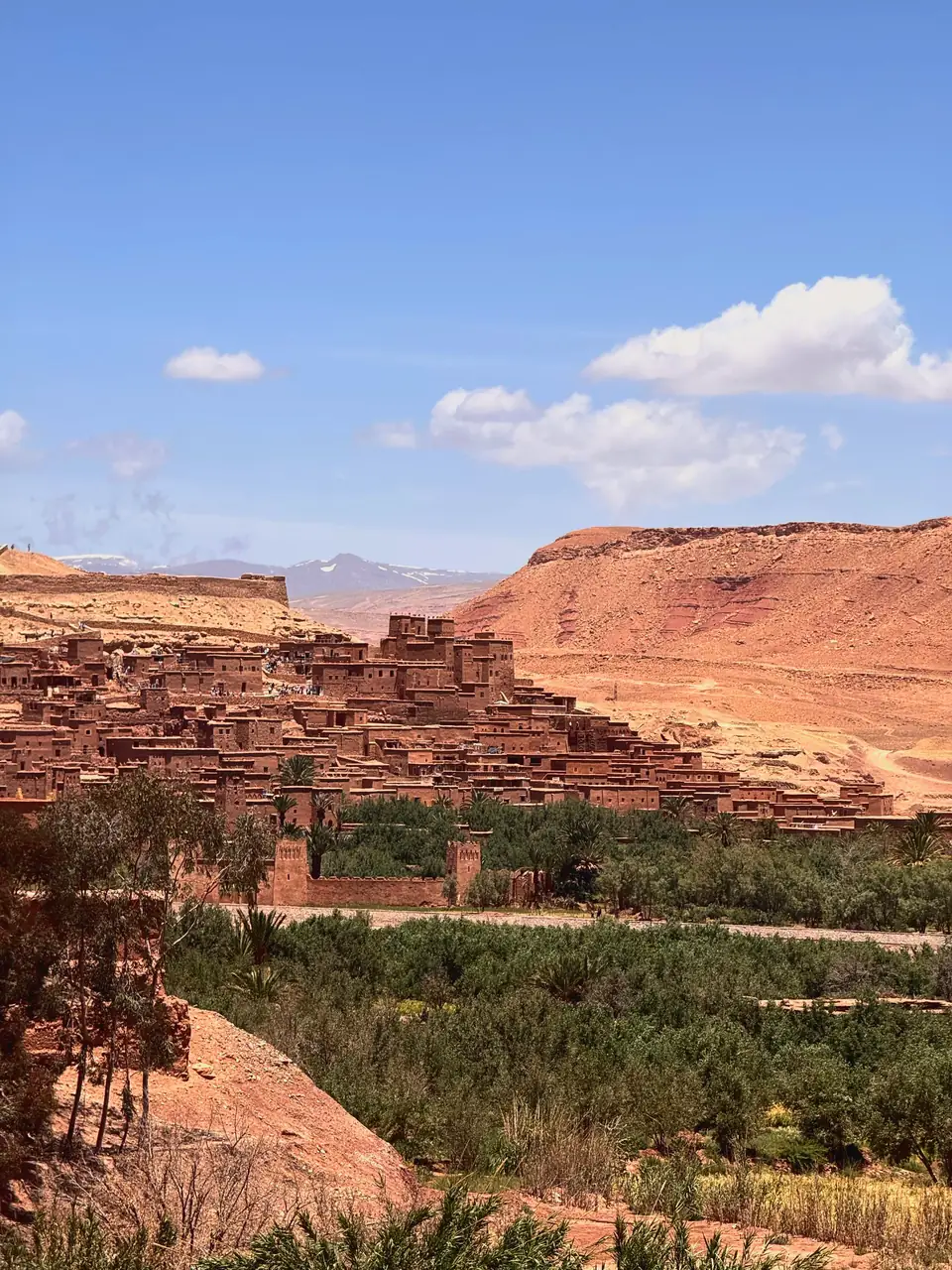
- Aït Ben Haddou: the road crosses the Tizi n'Tichka pass, so it makes a long day.
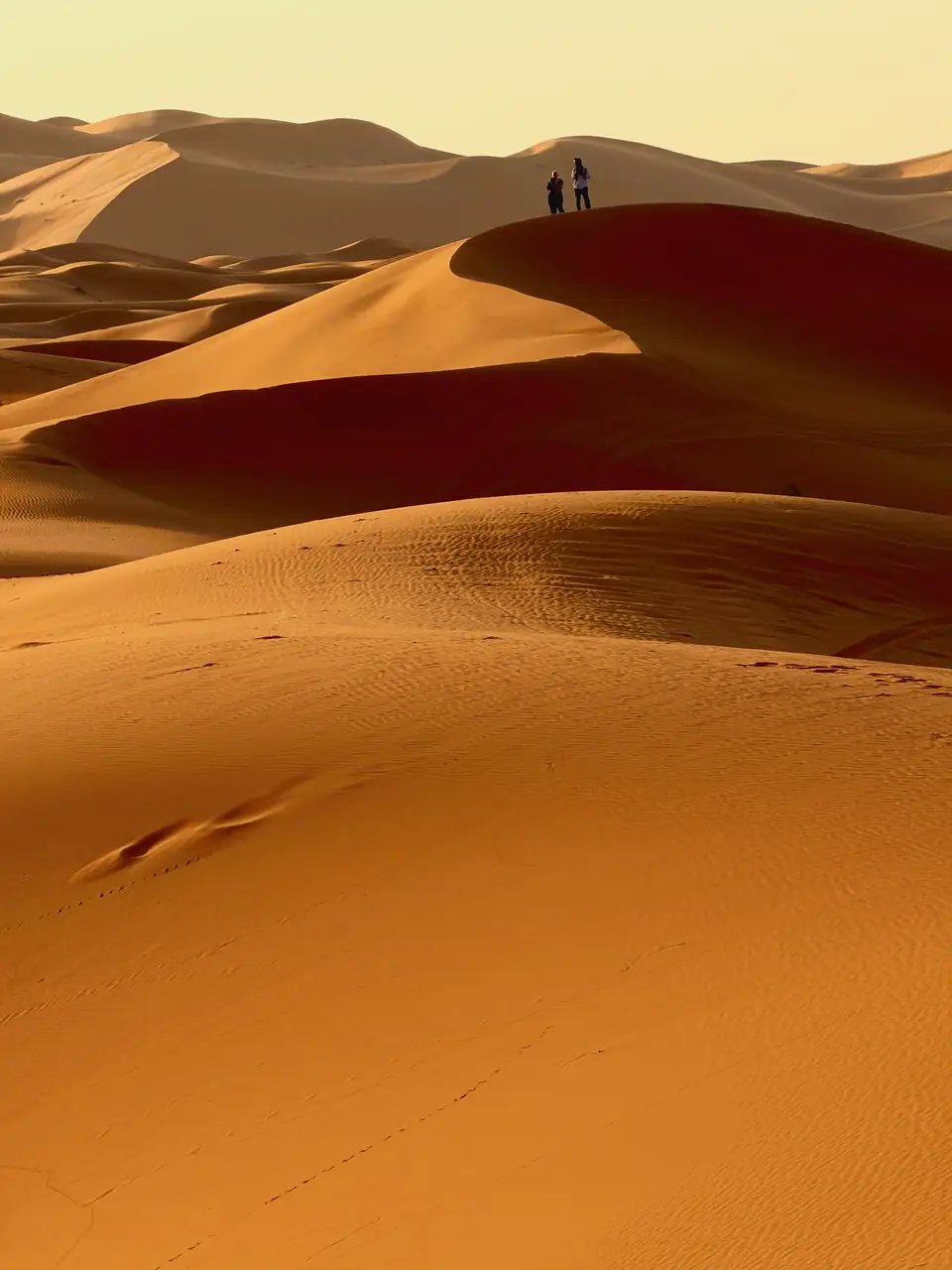
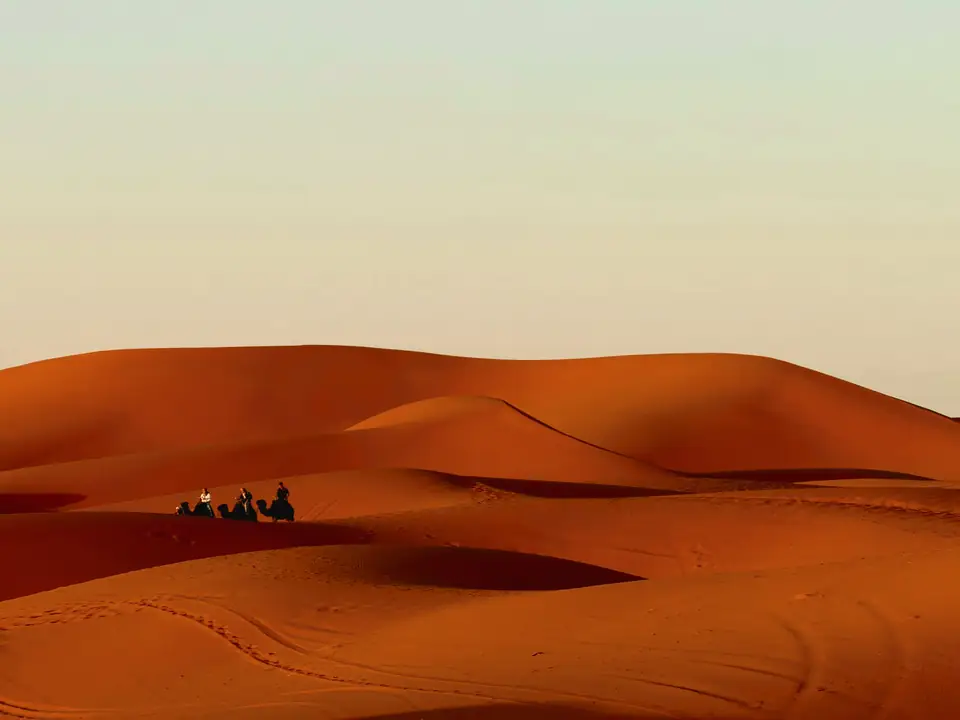
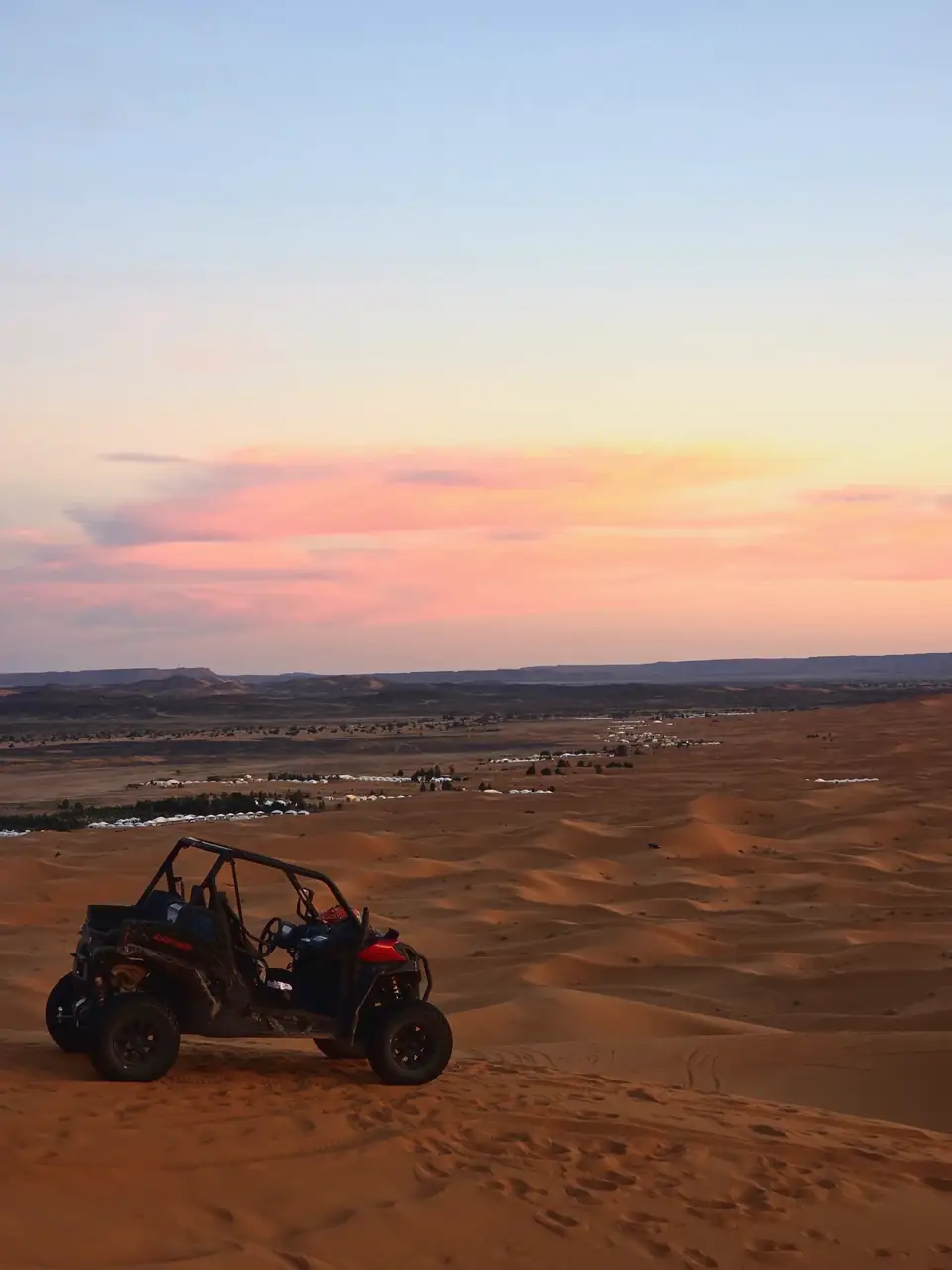
- The Sahara: Merzouga is about 560 km away, so allow several days. Read how to get to Merzouga first.
Our Marrakech Discovery Tour combines the city with the mountains, the coast and the desert.
Marrakech FAQ
How many days do you need in Marrakech?
Two full days cover the main sights. Three days give you time for a day trip or a slower visit.
Is Marrakech safe for tourists?
Many people visit without problems, but petty crime and scams are common in tourist areas, according to UK government advice. Keep valuables secure and be careful with unofficial guides.
Can non-Muslims enter the Koutoubia Mosque?
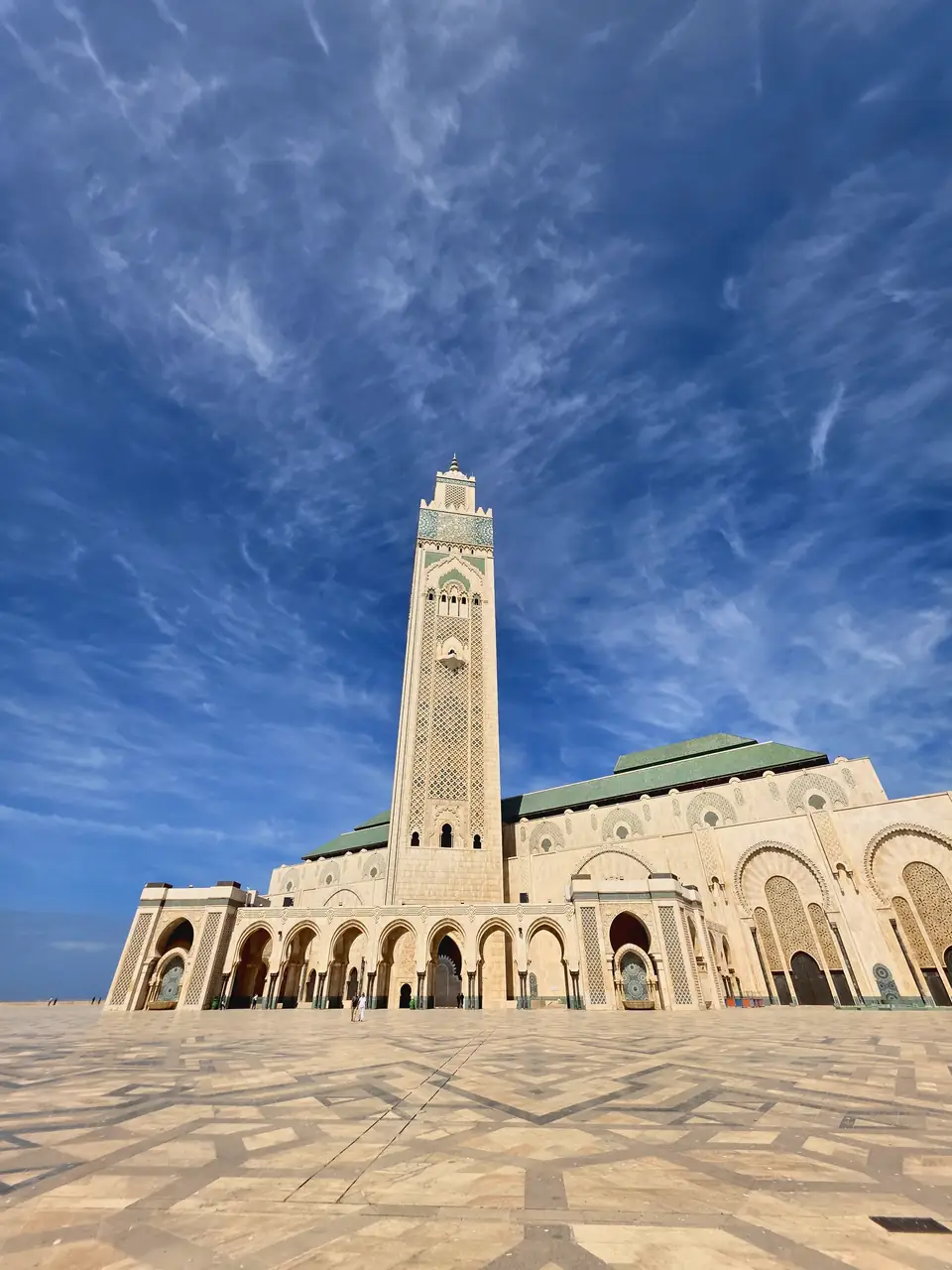
No. You can see the mosque from outside. In Morocco, the Hassan II Mosque in Casablanca is a well-known mosque that offers visits to non-Muslims.
Is Marrakech close to the Sahara?
Not really. Merzouga is about 560 km away, which takes roughly nine to ten hours of driving without long stops.
Sources: UNESCO: Jemaa el-Fna, UNESCO: World Heritage sites in Morocco, GOV.UK: Morocco safety and security, Wikipedia: Kutubiyya Mosque, Wikipedia: Bahia Palace, Wikipedia: Saadian Tombs, Wikipedia: Ben Youssef Madrasa, Wikipedia: Majorelle Garden.