Morocco is a well-established family destination, and most trips pass without serious trouble, but it is not free of risk. As of September 2026, the US State Department rates Morocco Level 2, "Exercise increased caution", with terrorism named as the risk indicator. Level 2 is the second of four levels. Advisories change, so check the current US advisory and Canadian travel advice before you book and again before you leave.
What the risks look like for a family
Terrorism
Government advisories mention the risk of attacks and advise extra care in places where visitors gather. You cannot plan this risk away completely. What you can do is read the current advice, register with your government's traveller program and stay aware of your surroundings.
Pickpocketing and hassle
US advice warns about pickpocketing in crowded markets and at tourist sites. Keep bags closed and in front of you, and carry only what you need. Persistent vendors and unofficial guides are common in the medinas. A polite, firm "no, thank you" usually works.
Road safety
For many families, the road is the most practical risk to plan around. Canada's advice says road conditions vary greatly and recommends avoiding driving at night. Plan long transfers for daylight, wear seatbelts and bring a child seat if your child needs one, as they may be hard to find. Our guide to choosing a private driver or rental car covers this in more detail.
Teens, couples and local law
US advice notes that women may face harassment, particularly in crowded areas, and that same-sex relations are criminalized in Morocco. Older teenagers and young adults travelling with you should know this before the trip.
Health precautions
See a doctor or travel clinic several weeks before you leave. The US CDC recommends that travellers keep routine vaccines up to date and consider hepatitis A and typhoid vaccines, with hepatitis B for unvaccinated travellers under 60. It reports no malaria transmission in Morocco.
Rabies deserves particular attention with children, who tend to approach animals. The CDC says rabid dogs are common in Morocco. Teach children not to touch dogs, cats or monkeys. If anyone is bitten or scratched, wash the wound with soap and running water and get medical care right away. The CDC also advises caution about swimming in fresh water, so check locally before children go in rivers or pools.
Emergency numbers in Morocco
- Police: 190 (19 from a landline)
- Ambulance and fire: 150 (15 from a landline)
- Gendarmerie, mainly outside cities: 177
A short preparation checklist
- Buy travel insurance that covers medical care and evacuation.
- Keep copies of passports separate from the originals.
- Pack a small first-aid kit, sun protection and any regular medication in its original packaging.
- Agree a meeting point with older children in case you get separated in a medina.
- Save your accommodation address and driver's number on every adult's phone.
Frequently asked questions
Is Morocco safe for children?
Many families travel there without problems, and Moroccans are often very warm towards children. The main precautions concern traffic, animals, sun and food hygiene. For route ideas, read our guide to planning a family trip to Morocco.
Is the Sahara safe for a family?
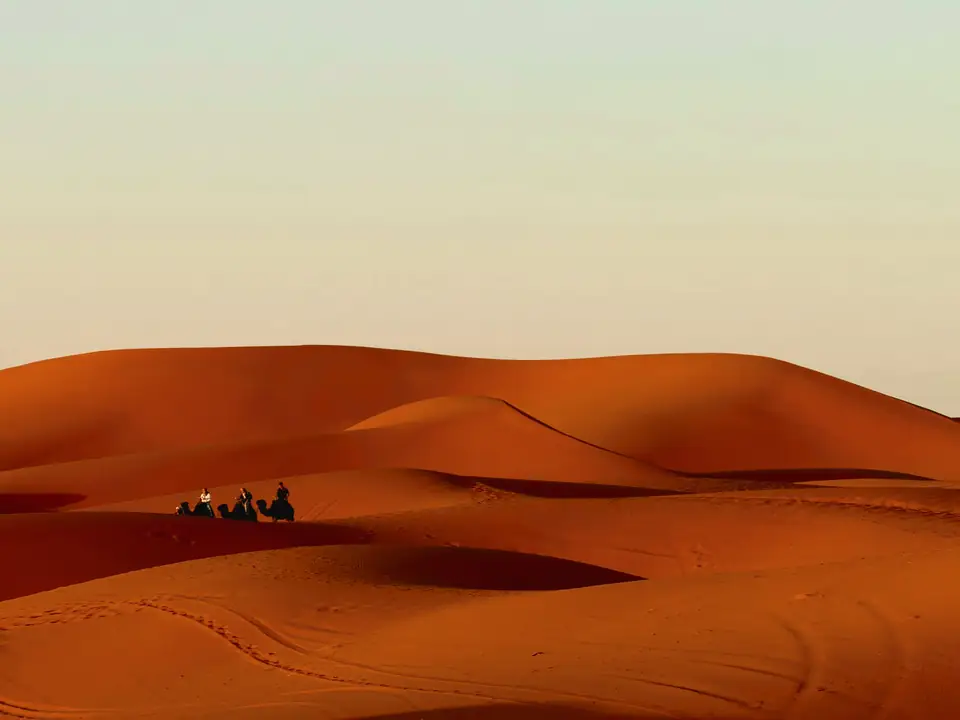
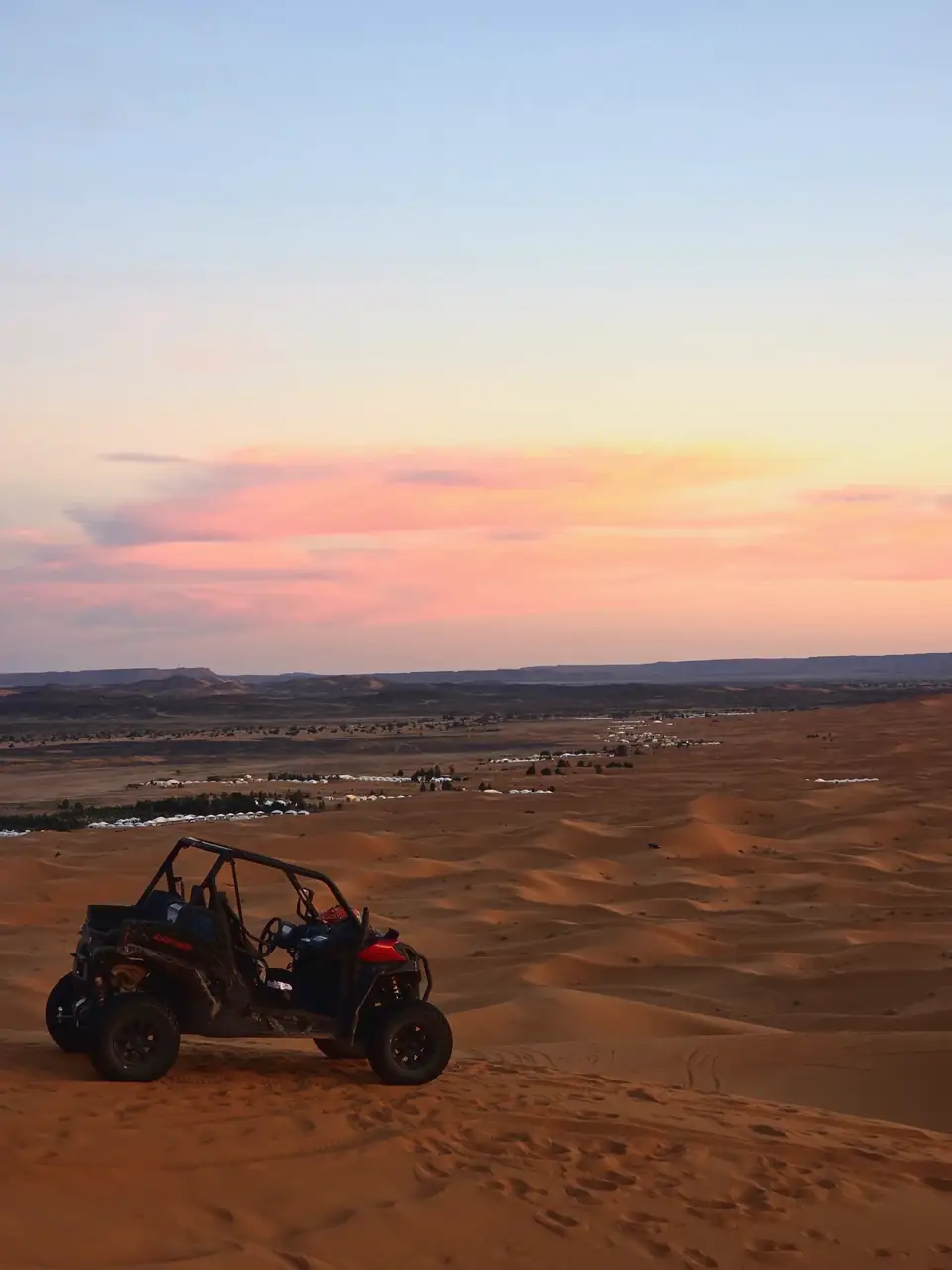
A guided visit to an established camp is a common family choice. Bring warm layers for the night and plenty of sun protection. Quad and buggy rides at Merzouga are for riders aged 18 and over, with a helmet and insurance. Camel rides and our overnight camp stay are the usual family options.
Can we drink the tap water?
Most visitors, including families, choose bottled or filtered water. Bottled water is easy to buy across the country.
Sources: US State Department, Government of Canada, GOV.UK: Getting help, US CDC: Morocco, US CDC: Rabies in Morocco.