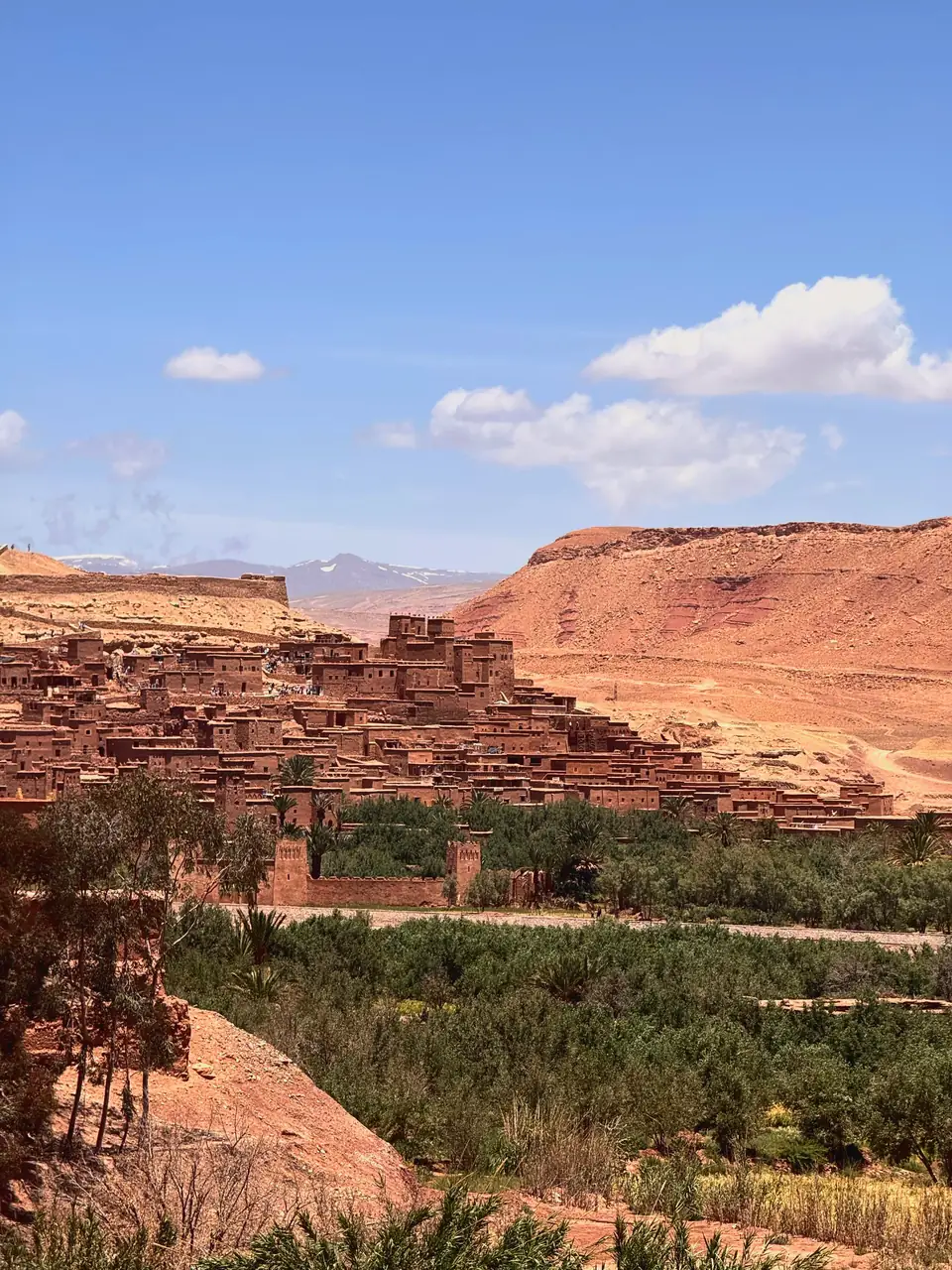
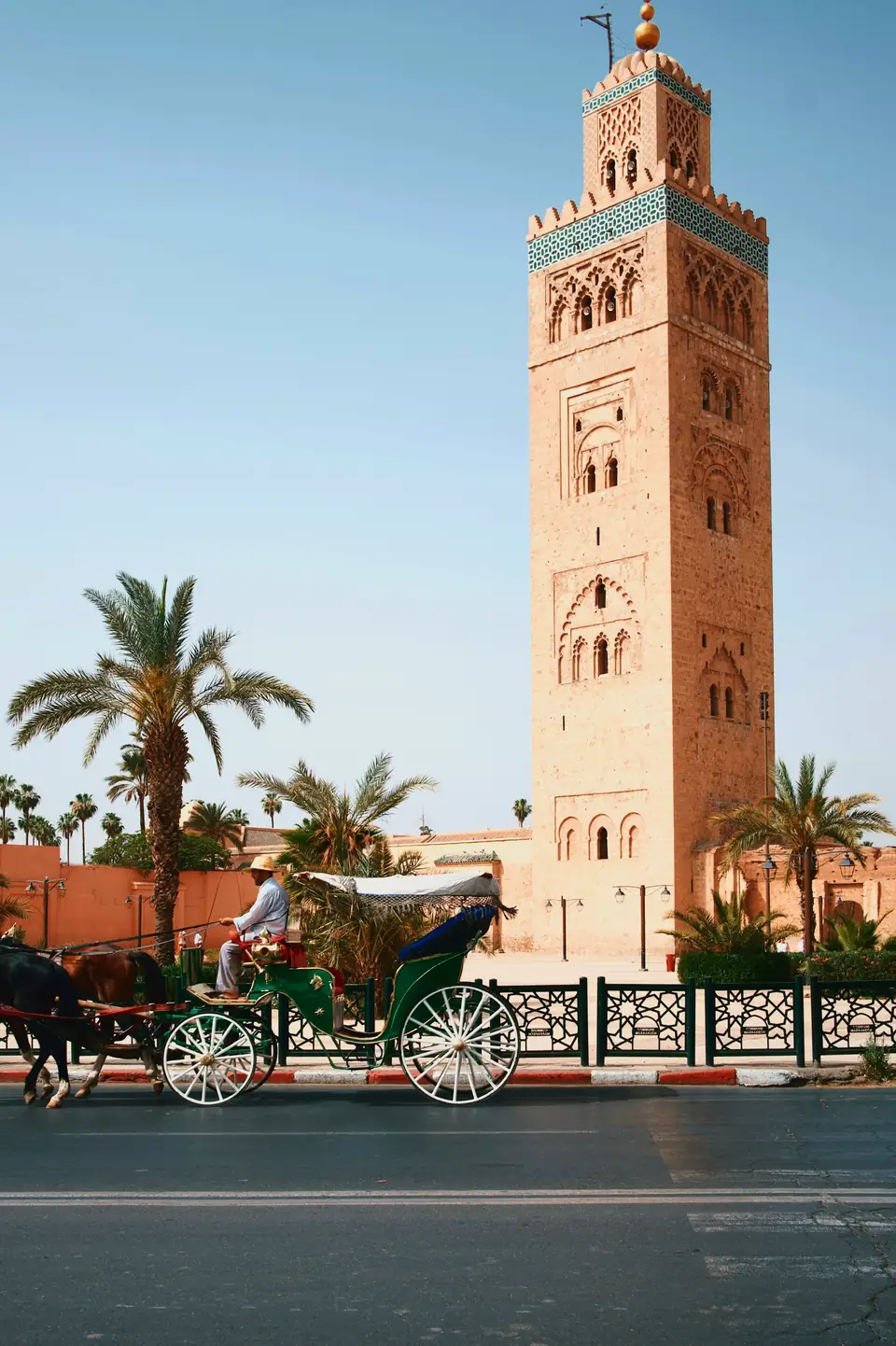
The best time to visit Morocco for a first trip that mixes cities, mountains and the Sahara is spring (March to May) or autumn (September to November). Daytime temperatures are comfortable almost everywhere, the Atlas passes are usually clear and desert nights are cool but manageable. Beyond that, the right month depends on where you will spend most of your time, because Morocco's coast, mountains and pre-Sahara behave like different countries.
Morocco's seasons at a glance
- March to May: the safest choice for a route covering several regions.
- June to August: best on the Atlantic coast; very hot in Marrakech, Fes and the desert.
- September to November: warm, settled weather, with the heat easing through October.
- December to February: mild days in the cities and desert, cold nights, and possible snow on the high passes.
Typical temperatures in Marrakech and Merzouga
Published climate tables differ from one source to another, especially for Merzouga. Treat these as rough guides rather than forecasts. In Marrakech, January days reach about 18–19°C with nights around 3–6°C, while July days reach about 36–37°C and nights stay near 20°C. In Merzouga, January days reach about 17–19°C with nights around 3–6°C, and July highs are reliably well above 35°C, often above 40°C.
Spring: the all-round choice
Spring suits the classic route of an imperial city, a High Atlas crossing and a night in the dunes. It also brings the rose harvest around Kelaat M'Gouna in the Dades Valley, with a festival usually held in May; the dates change each year, so check them before planning around it. The main drawback is demand, particularly around European school holidays, so book desert camps and riads early.
Summer: go to the coast or plan around the heat
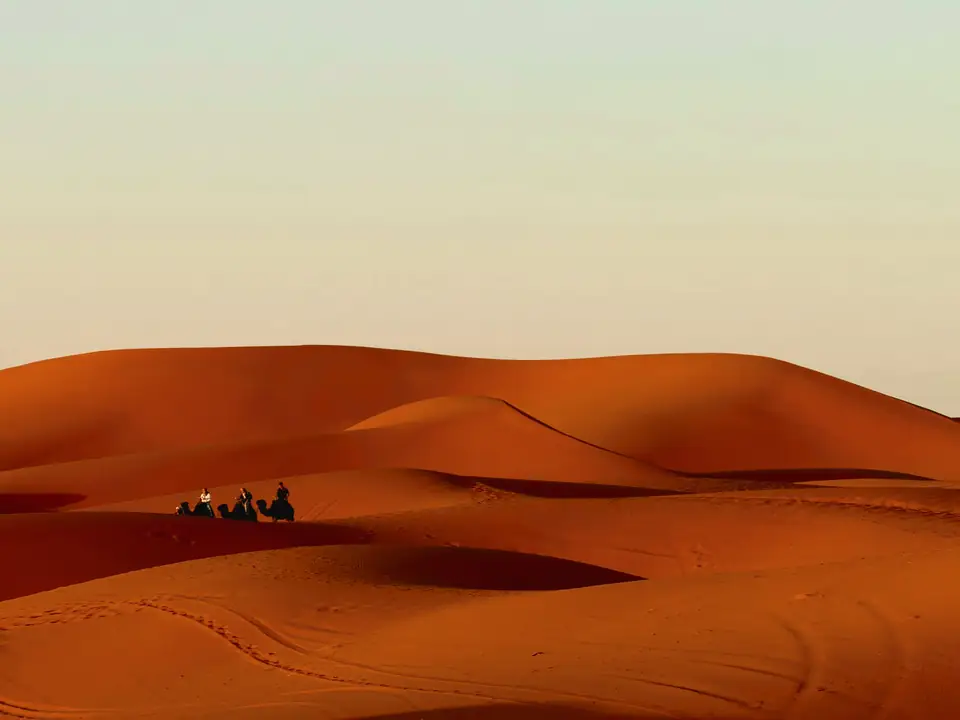
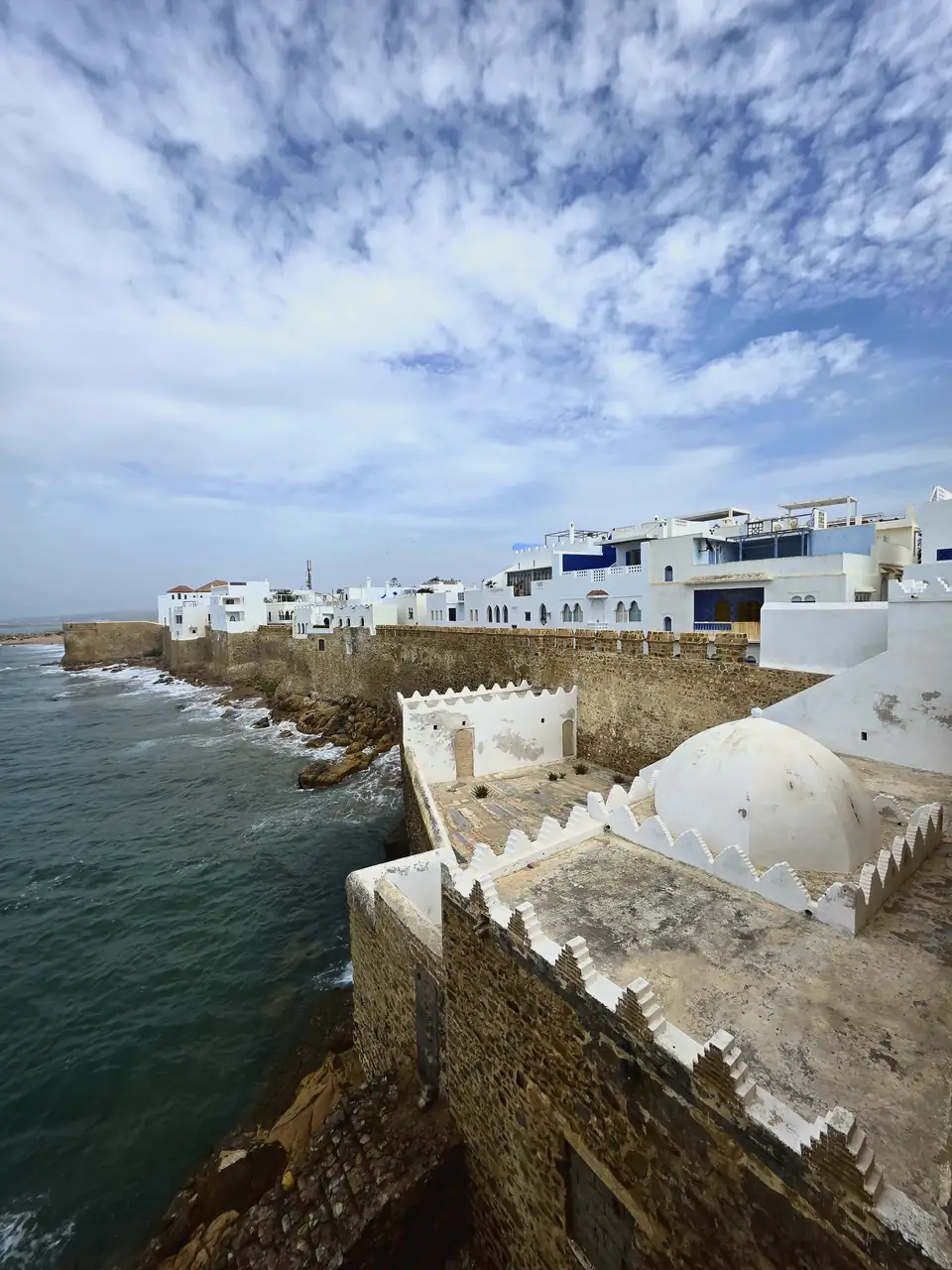
From June to August the Atlantic keeps Essaouira and the coast much cooler than the interior, and the High Atlas offers some relief. Inland, sightseeing is best confined to the early morning and evening. A summer night in the Sahara is possible, but it works best as a short stay, arriving late in the afternoon and leaving soon after breakfast. If summer is your only option, build the trip around the coast and mountains and treat the desert as a brief add-on.
Autumn: warm days and easier travel
September can still be hot inland, but by October the desert and cities are pleasant again. This is the season to choose if you want the comfort of spring without planning around rose season or the spring holidays.
Winter: quiet cities and cold desert nights
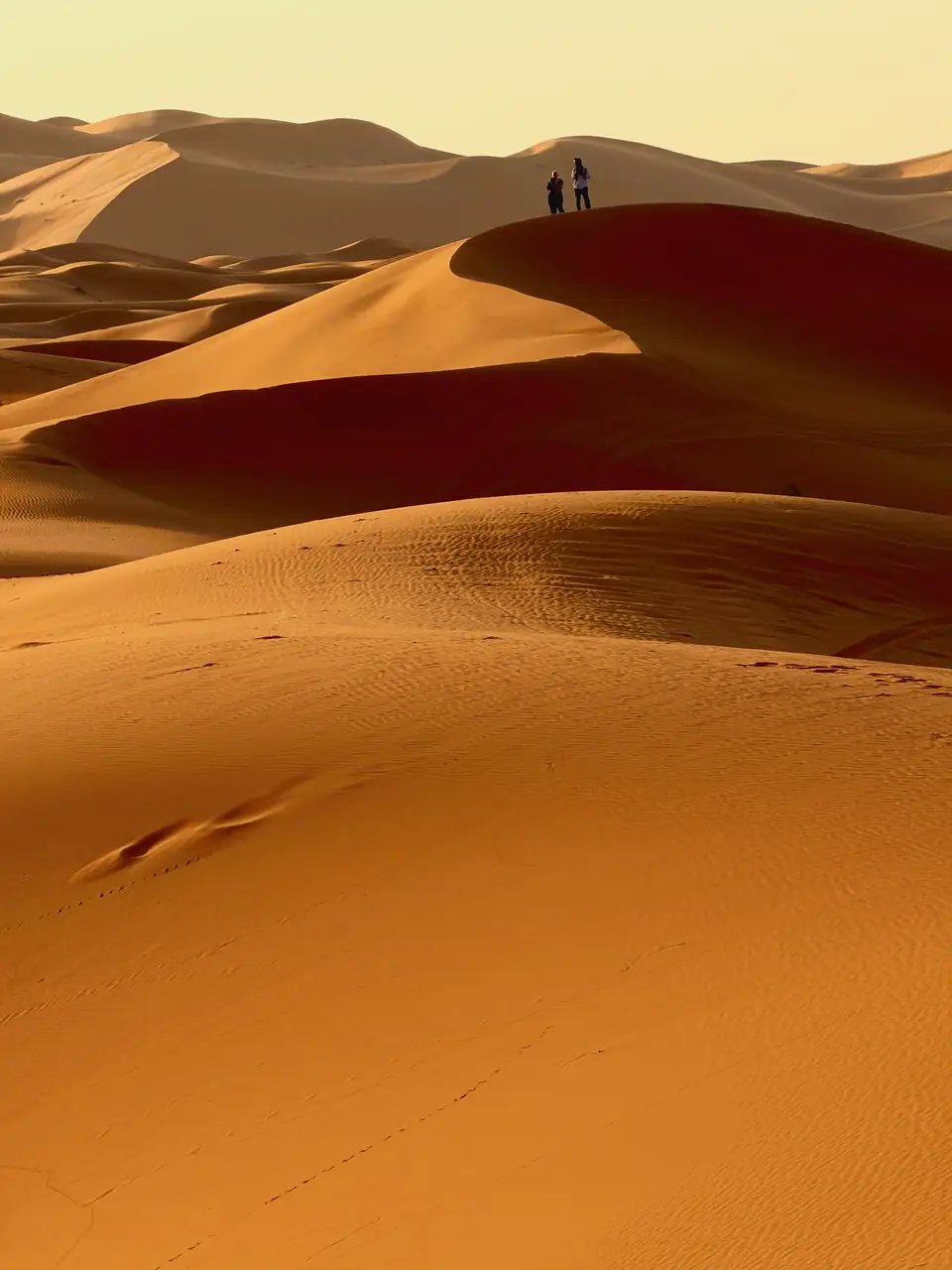
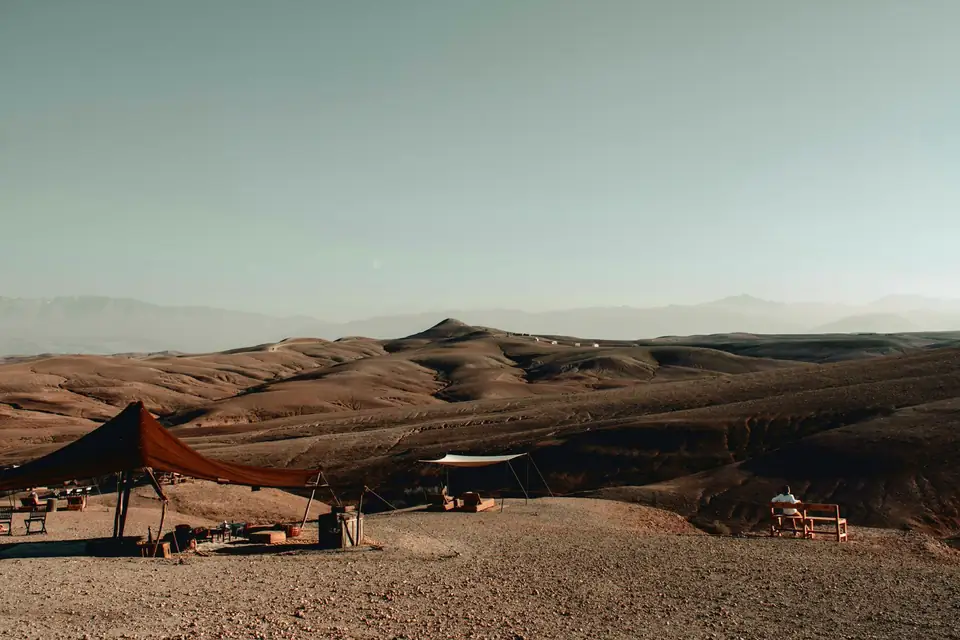
Winter is underrated for walking the medinas of Fes, Marrakech, Meknes and Rabat, and Sahara days are often clear and mild. The catch comes after sunset. Desert nights in January can approach freezing, so pack warm layers even though our camp has proper beds. Snow can also close High Atlas roads such as the Tizi n'Tichka for short periods, so leave some flexibility in any route that crosses the mountains.
Check the date of Ramadan
Ramadan moves about 10 to 11 days earlier each year. In 2027 it is forecast to begin around 8 February and end around 9 March, though Morocco's official dates are announced only after the moon sighting. Travel continues as normal, but daytime rhythms change. Our guide to visiting Morocco during Ramadan explains what to expect.
What to pack by season
- All year: sun protection, comfortable walking shoes and clothes that cover shoulders and knees for the medinas.
- October to April: a warm layer for desert evenings, and a proper jacket from December to February.
- May to September: light, loose clothing, a hat and a refillable bottle for bottled water.
Frequently asked questions
What is the best month to visit the Sahara in Morocco?
March, April, October and November are the most comfortable for most people. Days are warm rather than extreme, and nights are cool. Read what a night in a desert camp is like before you choose.
Is December a good time to visit Morocco?
Yes, if you pack for it. Cities and desert days are usually mild, but nights are cold and mountain passes may see snow.
Is Morocco too hot in August?
Inland it is very hot, and Marrakech and the desert can exceed 40°C. The Atlantic coast stays far more comfortable, so a coastal route is the better August choice.
Tell us your dates and we can suggest a route that suits the season on our Morocco tours page.
Sources: Weather and Climate: Merzouga, Weather2Travel: Morocco.